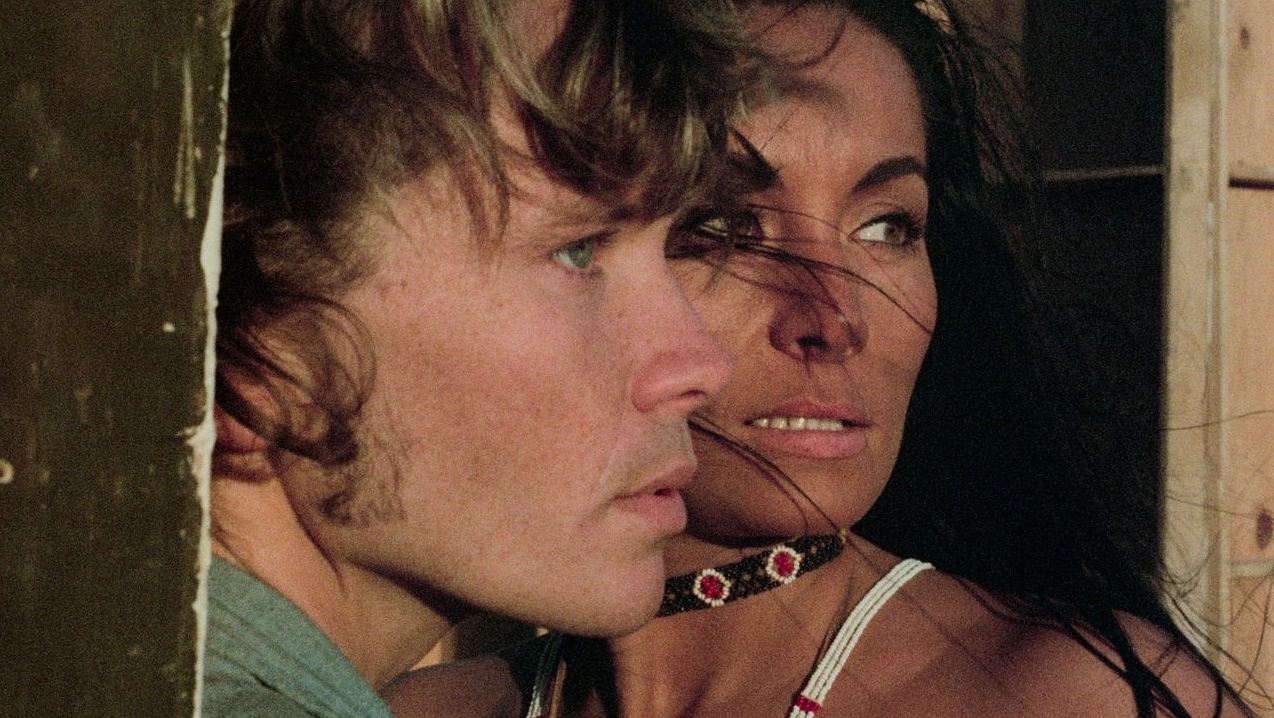

The Other Side of the Wind is not just another film by Orson Welles; it is the final testament of a man hailed as a genius of cinema. After over 40 years of production and being shelved, it has now been completed and released via a streaming platform. This film not only reflects Welles' identity but also challenges the audience's understanding of cinema with its fragmented structure, unlike anything attempted before.
Plot Summary (No Spoilers)
The film opens on the last day of the life of J.J. Jake Hannaford (John Huston), a legendary director throwing his own 70th birthday party while screening the film he is making, also titled The Other Side of the Wind, for guests who are all insiders of the film industry. Through the eyes of Brooks Otterlake (Peter Bogdanovich), a close friend and former protégé, we see the behind-the-scenes of Hannaford's work, his complex relationship with an actress (Oja Kodar), and the inner struggle of a man about to leave this world.
Acting and Characters
John Huston as Hannaford is the heart of the film. He brings out the rawness and ambition of the character with realism. Though Huston is not the real Welles, he conveys the greatness and fragility of an artist remarkably. Oja Kodar as the actress returns with a charm that makes the audience question her relationship with Hannaford. Meanwhile, Peter Bogdanovich plays a younger director trying to find his own footing in the shadow of his former mentor. Every character has depth and reflects aspects of the film industry of that era.
Direction, Cinematography, and Music
Orson Welles never stopped experimenting, and in this film he uses disorienting editing techniques, shaky camera work reminiscent of documentaries, and abrupt shifts from black-and-white to color, creating a sense of watching real events unfold. The cinematography by Gary Graver and colleagues is designed to look imperfect, yet conveys an unvarnished truth. The music by Michel Legrand powerfully drives the emotions, especially in scenes where Hannaford confronts his own failures.
Editorial Analysis
The Other Side of the Wind is not an easy film to watch. It requires the audience to have some background knowledge of the film industry and Welles' persona. The film questions the nature of art, power, and the meaning of success through its fragmented narrative, like a reflection of a crumbling mind. However, for true cinephiles, experiencing this nearly lost work is a rewarding experience. Whether you love it or hate it, it will make you question what you think you know about film. For those interested in film history and looking for a break from mainstream, take time to watch it, or if you want to explore other genres, don't forget to check out free anime วางอนิเมะ to broaden your horizons.
Verdict
For true film enthusiasts who appreciate experimentation and film history, The Other Side of the Wind is a must-see at least once. Though not perfect, it is a record of the soul of a genius that never dies.
Screenshots


👍 Pros
- +Powerful performances by John Huston and the cast
- +Innovative and challenging narrative techniques
- +Provides deep insight into the behind-the-scenes of the film industry
👎 Cons
- −Fragmented plot, difficult for general audiences
- −Length and slow pacing may bore some viewers
Top Cast


FAQ
The film streams on Netflix in many countries, including Thailand (may require VPN).
It is a semi-documentary film that tells the story of the last day of a legendary director through his birthday party and the screening of the film he is making.
The film was shot in the early 1970s but was only completed and released in 2018 after Welles' death.


